Meetings that make a difference
By Bill Fotsch and John Case
Companies have rediscovered meetings—short, focused, informational meetings that keep an organization humming and everybody on the same page.
TakeSalt Lake City–based Intermountain Healthcare, which is one of the most innovativeorganizations in its industry. Intermountain has scaled up over the years andnow includes some 40,000 caregivers in dozens of facilities.
Intermountain’ssize doesn’t keep it from sharing information regularly and rapidly throughoutthe organization. The secret is a series of some 2,500 small-group meetingsthat take place every day.
Thepurpose of these meetings is to convey essential information about key issuessuch as patient safety and equipment downtime. Issues that can’t be resolved atone organizational level flow directly to the meeting of the next level up. “By10 AM,” writesCEO Marc Harrison on the Harvard Business Review’s website, “vitalinformation has risen to the executive leadership, which includes the CEO andhis direct reports plus other assigned functional executives.”
Mostentrepreneurial companies don’t need such an elaborate system, because theydon’t have 40,000 employees spread out over a multistate region. But they doneed short, regular meetings focused on whatever numbers are most important totheir business—even if their employees don’t all work out of one facility.
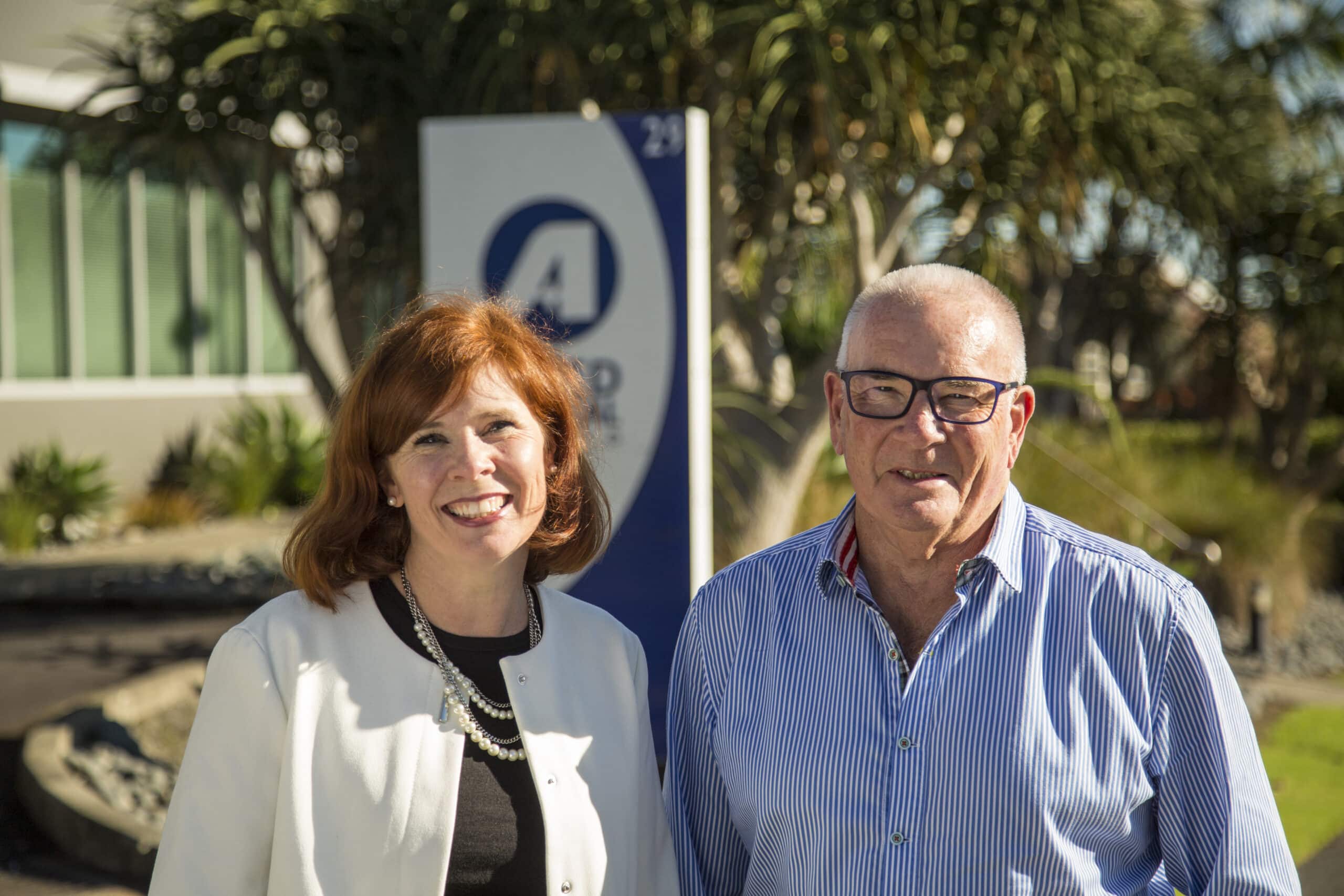
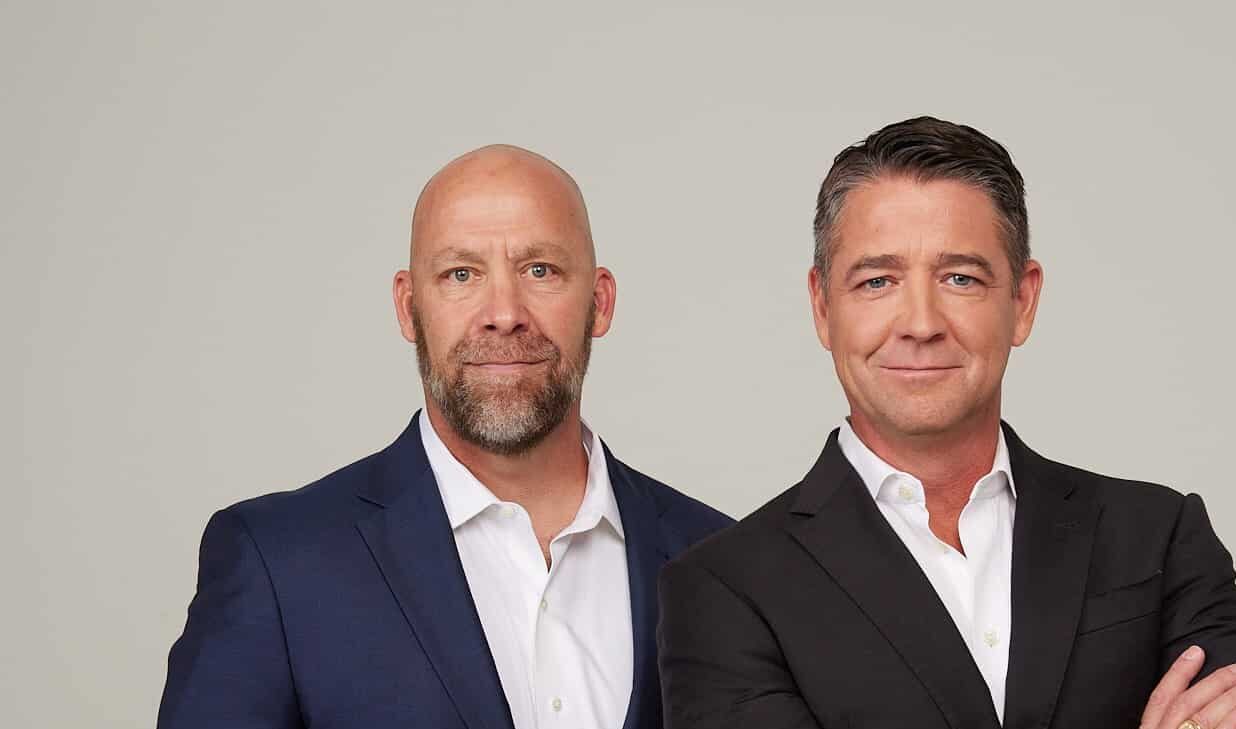
EricAdams and Angus Beasley figured this out a while ago. The two men are foundersof Adams +Beasley Associates, a custom construction company in easternMassachusetts.
EveryMonday at 9:00, the company holds a meeting to review and update all projects and prospective projects in thecompany’s three lines of business (remodeling, estate care and project planning).Information from the field comes in on every project / prospect. If some attendees are out of the office, asis usually the case, they take part virtually, through meeting software.
LauraBurnes, the company’s director of project planning, then writes up a synopsisof the meeting and sends it out to every employee. One of her recent e-mails showedsummary financials for each unit along with informational updates such as “[Customername] gave a verbal approval for her renovation….Contract will go out thisweek.”
Alot of companies would balk at sharing financial numbers so widely. But that’sa key part of the Adams + Beasley philosophy. The founders want their employeesto feel like partners in the business. They focus on gross profit broken downby job, not monthly financials. Everyemployee knows how the jobs he or she is working on are contributing to grossprofit dollars, which drives the overall financial performance of the company.
There’ssomething more tangible in it for the employees, too. The company pays aprofit-sharing bonus based on levels of gross profit, and the weekly e-mail showsthe current forecast for the size of the bonus. In one recent week, theforecast bonus was more than 100 hours of pay in both Q3 and Q4 of this year.Money like that encourages people to pay close attention to performance.
Theweekly meetings at Adams + Beasley don’t take long—about 30-40 minutes. Butthey’re an essential element of the company’s information-sharing system. Andthe feeling of partnership they engender helps set the company apart fromcompetitors. (If you are interested inseeing their weekly meeting, just ask. They have allowed many other companies to observe, which is easy to do,since the meetings are virtual.)
From big companies like Intermountain to entrepreneurial enterprises like Adams + Beasley, short meetings focused on sharing key data turn the company from a collection of individuals into a powerful team. And they give these firms a powerful advantage over rivals still stuck in the era of boring, hour-long, everybody-shoot-their-mouths-off conference room sessions.
Bill Fotsch is founder and president of Open-Book Coaching. John Case is a writer who has published widely on open-book management and related business philosophies. (To subscribe to authors’ biweekly email newsletter, please send the word ‘Subscribe’ to natalie.disney@openbookcoaching.com).